Share
Share
 Post
Post
 Email
Email
 Share
Share
 Share
Share
 Share
Share



What's Next? Embracing the Changes in EAL
Join us online on October 16 -17 to envision bold futures and changes in EAL pedagogy, policies, and technologies.
Cancelling your registration will remove your access to the event. If you proceed, you will no longer be able to participate or access event-related materials.
Deleting your account will remove your access to the event.
Need Technical Assistance? ✉ tech@vfairs.com
Share
Post
Email
Share
Share
Share
Join us online on October 16 -17 to envision bold futures and changes in EAL pedagogy, policies, and technologies.
1. Opening Prayer - Tobacco ceremony | 8:30 AM - 8:45 AM2. W...
1. Opening Prayer - Tobacco ceremony | 8:30 AM - 8:45 AM
2. Welcome Address | 8:45 AM - 9:00 AM
3. Keynote Address - Teaching EAL in the Age of AI | 9:00 AM - 10:30
Language learning has always been fundamentally human, built on trust, relationship, and the irreplaceable experience of being understood. The rise of AI in language education doesn't change that truth, but it does challenge us to defend it. This keynote moves beyond the hype to ask what these technologies can and cannot do for the learners we serve. Three honest tensions shape the conversation: keeping pedagogy ahead of technology, recognizing the equity and access gaps that AI can widen rather than close, and affirming that human connection remains at the heart of language acquisition, not as a soft ideal, but as a research-grounded reality. But this session is ultimately forward-looking. What's next for EAL professionals isn't a scramble to keep up. It's an opportunity to lead. Teacher agency, relational practice, and deep knowledge of learners are precisely the capacities that matter most right now, and this keynote offers a practical and hopeful framework for carrying them into whatever comes next.

Elder Lynn
-
-
Jessica Cheong
-
-
Rigvi Kumar
-
-
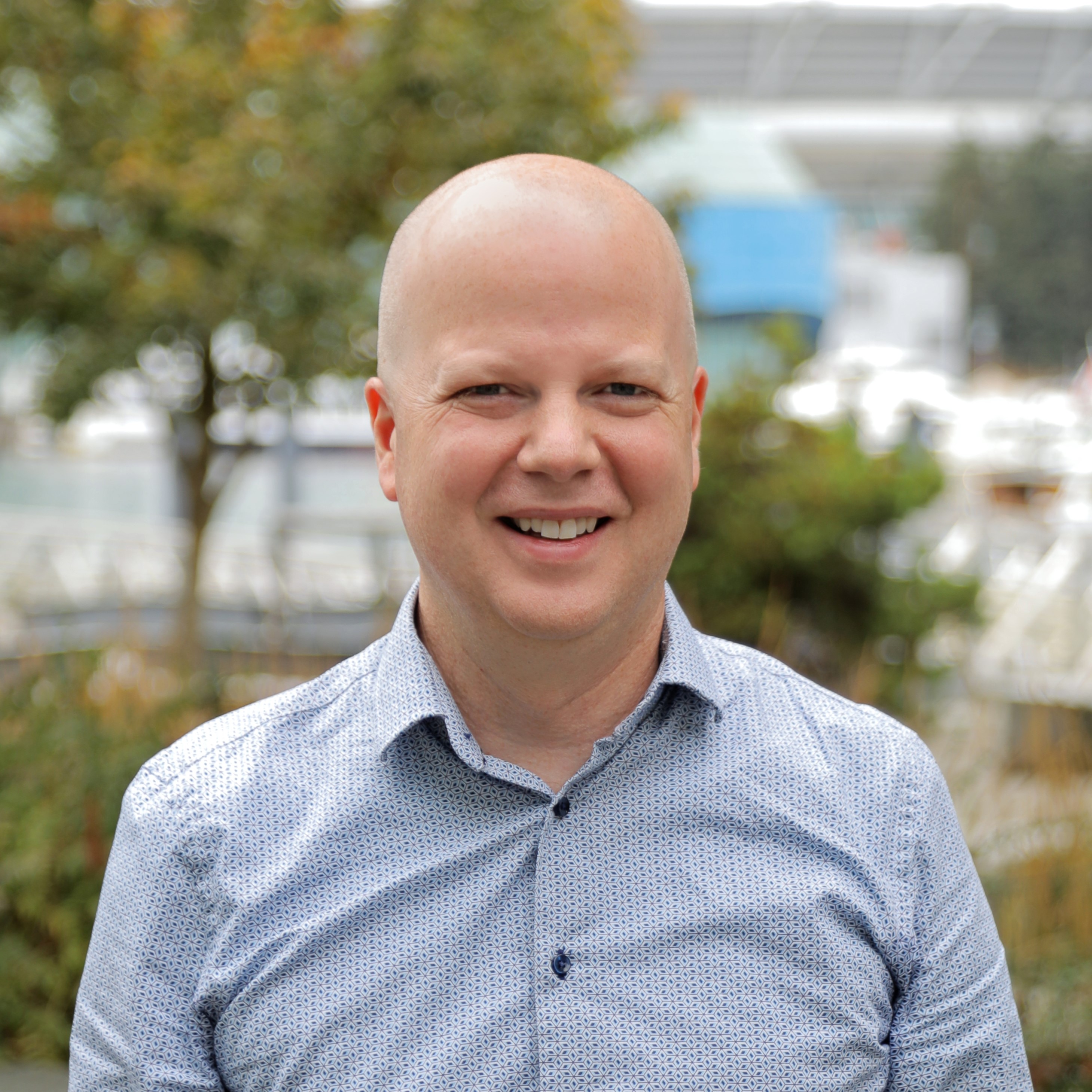
Nathan Hall
Educational Technology & Pedagogy Coordinator , Douglas College
Educational Technology & Pedagogy Coordinator , Douglas College
Nathan Hall is the Educational Technology & Pedagogy Coordinator at Douglas College. His research and professional interests include AI in language education, educational technology, instructional design, and teacher professional development. He also leads the teaching & research commons (TREC).
This session introduces a new Avenue course that teaches res...
This session introduces a new Avenue course that teaches responsible and effective use of AI tools in language learning. Grounded in the Avenue Learner Standards for Technology-enhanced Language Learning (TELL), the course includes modules that build AI literacy. Presenters will overview the AI-related Standards, demonstrate the course and discuss practical classroom and online integration.
Sepideh Alavi
Associate Executive Director, Avenue Canada Solutions
Associate Executive Director, Avenue Canada Solutions
Sepideh Alavi PhD is the Associate Executive Director at Avenue Canada Solutions. At Avenue, Sepideh is also the manager of CanAvenue, where she oversees course design and development of this independent language learning platform.

Sharon Rajabi
-
-
We used Segliman’s (2011) PERMA model as a holistic lens t...
We used Segliman’s (2011) PERMA model as a holistic lens to examine 379 literacy learners’ experiences of portfolio-based language assessment (PBLA). Findings revealed the influence of PBLA on the learners’ emotions, engagement, relationships, sense of meaning, and feelings of accomplishment. Implications for instruction, programming, and policy will be discussed.

Marilyn Abbott
Professor, University of Alberta
Professor, University of Alberta

Kent Lee
-
-
This session demonstrates Columbia College’s AI-Enhanced L...
This session demonstrates Columbia College’s AI-Enhanced Lesson Plan Generator, a tool for creating CLB-aligned LINC and EAL lesson materials. Participants will see how the tool supports lesson planning, classroom activities, PBLA-connected assessment ideas, multi-level instruction, and responsible AI use while keeping instructors in control of final content.
Mehdi Soleimani
Manager, Immigrant Centre for Foundational Skills Training, Columbia College
Manager, Immigrant Centre for Foundational Skills Training, Columbia College
Danica MacDonald
Language Training Curriculum and Staff Development Coordinator, Columbia College
Language Training Curriculum and Staff Development Coordinator, Columbia College
Danica MacDonald is the Language Training Curriculum and Staff Development Coordinator at Columbia College in Calgary. She has extensive experience in adult language education, curriculum development, facilitator training, and educational research. Her work focuses on CLB- and PBLA-aligned instruction, instructional innovation, and the responsible integration of AI to support teaching and learning.
This CCLB Professional Learning Session workshop supports LI...
This CCLB Professional Learning Session workshop supports LINC instructors to use AI ethically and effectively in PBLA-aligned classes. Participants will review Canadian guidance, examine appropriate classroom uses, and problem-solve common challenges, leaving with practical strategies for integrating AI while maintaining use of professional judgement in PBLA principles and CLB assessment integrity.
Kathy Hughes
Project Manager, CCLB
Project Manager, CCLB

Rana Ashkar
-
-
Rebecca Hiebert
-
-
Lisa Herrera
-
-
Numbers help learners organize language and build confidence...
Numbers help learners organize language and build confidence. This session explores practical "teaching by numbers" frameworks, including the three-step apology, three-step goodbye, five-part paragraph, and five-part email. Participants will experience adaptable classroom activities that support communication, retention, and learner independence across CLB levels.
Farida Aghammadova
Columbia College
Columbia College
Farida Aghammadova has worked as an ESL Instructor, Trainer and Program Administrator since 2002 in different countries. She is currently working for Columbia College Calgary as a LINC Instructor and is an experienced PBLA Lead. Her professional interests include second language acquisition, online learning, teaching soft skills and intercultural communication.
Simon Best
-
-
Simon Best is an English Language Instructor with over 20 years in the field working in Russia, Azerbaijan, Sri Lanka, Saudi Arabia and Canada. He currently works for Columbia College as a LINC Instructor and PBLA Lead. His professional interests include business communication, pragmatics, TBLT and digital learning.
Tracy Bounil
-
-
Corrie Davidson
Facilitator / PBLA Lead Teacher, Columbia College
Facilitator / PBLA Lead Teacher, Columbia College
Corrie Davidson is an experienced ESL/LINC instructor and PBLA Lead with a passion for teaching newcomers. She has taught internationally across CLB Stages 1 and 2 and specializes in CLB-aligned instruction. Corrie is dedicated to creating inclusive, learner-centered classrooms that support language development and successful settlement through PBLA principles.
Afra Shirazi
ESL Literacy/LINC Instructor, CIWA
ESL Literacy/LINC Instructor, CIWA
Afra Shirazi is an ESL Literacy , LINC and Biliteracy Instructor who is passionate about supporting adult immigrant women in their language learning journeys. She works as a curriculum developer, assessment creator, and module designer, focusing on learner-centered materials that connect classroom learning to real-life needs.
Fauzia Yasir
-
-
English for Skilled Trades OER introduces a free, CLB-aligne...
English for Skilled Trades OER introduces a free, CLB-aligned resource designed to help newcomers build the language skills needed for careers in the trades. Explore practical materials, technical vocabulary, workplace communication activities, and implementation strategies that support learner success in training, employment, and apprenticeship pathways.
Elina Stop
Faculty Service, NorQuest College
Faculty Service, NorQuest College
Andrew Thompson
LINC Instructor, NorQuest College
LINC Instructor, NorQuest College
Andy Thompson is a LINC instructor at NorQuest College who helps newcomer students develop the English, math, and science skills required for the Trades Entrance Exam.
While AI discussions often target higher-level learners, thi...
While AI discussions often target higher-level learners, this presentation addresses a critical research gap: utilizing Generative AI in lower-level Literacy classrooms. This session shares action-research using free tools (ChatGPT/Gemini/Grok) alongside student-selected mobile short videos, demonstrating how human-AI interaction empower Literacy learners and foster low-anxiety autonomy.

Haimei Wang
LINC Instructor, Centre for Newcomers
LINC Instructor, Centre for Newcomers
Generative AI has fundamentally changed what assessments mea...
Generative AI has fundamentally changed what assessments measure. Traditional writing tasks no longer reliably evidence learning. This presentation synthesizes recent research on how language instructors are redesigning assessments not to police AI, but to make learning visible through process evidence, authenticity, and equity.
Daria Konovaltseva
ESL instructor, MaKami College
ESL instructor, MaKami College
In this workshop, participants will explore reflection strat...
In this workshop, participants will explore reflection strategies to support healthy boundaries. Participants will learn about compassion fatigue and how to set and enforce realistic expectations regarding their commitment to help and to
serve learners.
Alana Johnson
Alberta Routes Manager, NorQuest College
Alberta Routes Manager, NorQuest College
Selestia Herrera-Ganton
-
-
Rosalia Dela Cruz
-
-
Nadine Leggett
Manager, National LINC Curriculum Projects, Achēv
Manager, National LINC Curriculum Projects, Achēv
Nadine has been with Achēv for over three years, serving as a dedicated project manager developing eLearning materials for ESL instruction. Driven by a passion for creating meaningful, positive change, she currently manages the National LINC Curriculum Project. With experience leading projects across diverse industries, Nadine brings a thoughtful approach to coordination, collaboration, and strategic planning in the field of education and language training. She is committed to advancing programs that foster learning, growth, and opportunity, empowering students to reach their goals and realize their full potential.
Jayne Geldart
-
-
Maria Kenward
-
-
Matthias Sturm
Adult Education Researcher/Lead Evaluator, Avenue Canada Solutions
Adult Education Researcher/Lead Evaluator, Avenue Canada Solutions
Discover practical strategies for teaching digital skills to...
Discover practical strategies for teaching digital skills to Stage 1 EAL literacy learners. Developed by the Literacy Centre of Expertise, this session introduces classroom-tested, PBLA-aligned modules that scaffold skills from basic computer use to using email and online platforms, with demonstrations of simulators that support safe practice and real-world application.
Donna Clarke
Literacy Centre of Expertise Lead, TIES - the immigrant Education Society
Literacy Centre of Expertise Lead, TIES - the immigrant Education Society

Jeremy Wilson
-
-
John Vasquez
-
-
Join the Alberta Routes team to learn about our free microcr...
Join the Alberta Routes team to learn about our free microcredentials: EAL Community Educator, Educator’s Toolkit, and Equity, Diversity and Inclusion (EDI). These flexible programs build practical, job-ready skills for those supporting adult English language learners, offering hands-on strategies, inclusive practices, and professional growth, recognized through portable digital badges.
Alana Johnson
Alberta Routes Manager, NorQuest College
Alberta Routes Manager, NorQuest College
Selestia Herrera-Ganton
-
-
Rosalia Dela Cruz
-
-
English spelling and pronunciation rarely seem to agree, lea...
English spelling and pronunciation rarely seem to agree, leaving many learners—and teachers—wondering where to begin. Discover a practical, classroom-tested framework that builds clearer, more confident speech while honouring learners' accents. Learn adaptable strategies that support learners from emerging literacy through citizenship, career pathways, and CAEC preparation.

Roberta Power
Educational Consultant, Pro Literacy New Readers Press
Educational Consultant, Pro Literacy New Readers Press
Anca Mihaela Nichifor
Founder, Teacher Trainer, EAL Facilitator, Skillstree Rising & Canadian English Solutions
Founder, Teacher Trainer, EAL Facilitator, Skillstree Rising & Canadian English Solutions
Anca Mihaela Nichifor is an Educational Consultant, Teacher Trainer, and TESOL Educator with Skillstree Rising and Canadian English Solutions. An international curriculum leader, she bridges language, culture, and identity through student-centred innovation. Dedicated to personal and organizational growth, she creates authentic, inclusive learning experiences that honour diverse voices and foster meaningful connection.
Jessica Barrett
-
-
As generative AI becomes embedded in EAL practices, educator...
As generative AI becomes embedded in EAL practices, educators must make critical judgments about language, equity, and participation. This keynote moves beyond efficiency to examine how GenAI reshapes newcomers' learning conditions, adopting a sociomaterial view that technologies are never neutral. It explores how platform designs, datasets, and policies necessitate critical digital literacies, as Gen AI can support access but also reproduce biases, native-speakerism, and inequalities. The challenge is not whether to embrace or reject AI, but how to develop pedagogies for strategic, ethical use. The keynote offers practical principles for GenAI-mediated instruction that prioritizes multilingual repertoires, learner voice, critical awareness, and equitable participation across educational, workplace, and civic contexts.

Dr. Ron Darvin
Associate Professor , University of British Columbia - Vancouver
Associate Professor , University of British Columbia - Vancouver
Dr. Ron Darvin is an Associate Professor in the Department of Language and Literacy Education at the University of British Columbia (Vancouver). His research areas include critical digital literacies, generative AI, and language learning.
This session shares how field trips and real-world tasks sup...
This session shares how field trips and real-world tasks support literacy learners. Presenters will demonstrate how classroom practice can prepare learners to use English in real-world experiences such as job fairs, volunteer fairs, and health fairs. As a result, learners can build confidence, develop problem-solving skills, and connect classroom learning to meaningful community participation and opportunities.
Manpreet Chawla
-
-
Sonia Lovece
-
-
Generative AI has rapidly transformed the educational and pr...
Generative AI has rapidly transformed the educational and professional landscape. As English language teachers, how can we make our students relevant and ready, equipped with the digital skills necessary to navigate post-secondary education or a full-time job? How do I, the teacher, effectively introduce the tool to my learners?
Hayley Goodwin
EAP Professor, Sheridan College
EAP Professor, Sheridan College
Sara Machan
-
-
Madhumini Rajapakse
-
-
Dana Victor Hazin
-
-
Nadine Leggett
Manager, National LINC Curriculum Projects, Achēv
Manager, National LINC Curriculum Projects, Achēv
Nadine has been with Achēv for over three years, serving as a dedicated project manager developing eLearning materials for ESL instruction. Driven by a passion for creating meaningful, positive change, she currently manages the National LINC Curriculum Project. With experience leading projects across diverse industries, Nadine brings a thoughtful approach to coordination, collaboration, and strategic planning in the field of education and language training. She is committed to advancing programs that foster learning, growth, and opportunity, empowering students to reach their goals and realize their full potential.
Setsu Kawahara
-
-
Anna Ballares
-
-
This session addresses identified obstacles that make onboar...
This session addresses identified obstacles that make onboarding to the Avenue platform seem too daunting to attempt. The Avenue team and selected SPO Managers will consider recent survey data and discuss ways to overcome challenges both large and small.
Nancy Van Dorp
Manager, Distributed Learning, Avenue Canada Solutions (formerly New Language Solutions)
Manager, Distributed Learning, Avenue Canada Solutions (formerly New Language Solutions)
Marianne Kayed
-
-
Shazma Tahir
-
-
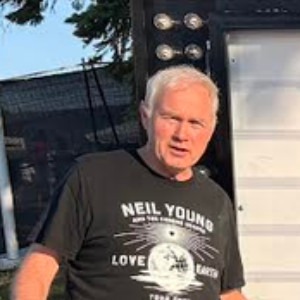
John Allan
Lead Learning Technologist and Senior Mentor, Avenue Canada Solutions
Lead Learning Technologist and Senior Mentor, Avenue Canada Solutions

Bonnie Nicholas
Mentor, Avenue Canada Solutions
Mentor, Avenue Canada Solutions
Bonnie Nicholas has an MEd in TESL and certificates in online teaching and instructional design. She has taught both blended and fully online classes in LINC, and is a mentor/facilitator with Avenue Canada Solutions. Her interests include integrating language learning with digital literacy skills as an essential aspect of settlement.

Kerry Howard
Manager, LINC Program, Immigrant Education Society (TIES)
Manager, LINC Program, Immigrant Education Society (TIES)
Kerry Howard is Manager of the LINC Program at the Immigrant Education Society (TIES). Since 2012, he has also supported newcomer education as a LINC Instructor, PBLA Lead, and LINC Supervisor. Kerry is passionate about integrating technology into settlement-focused classrooms and helping newcomers build skills for life in Canada.
_1791571081041.jpeg )
Marie Fontaine
PBLA Lead, Assist Community Services Centre
PBLA Lead, Assist Community Services Centre
Marie Fontaine is a PBLA Lead Teacher at Assist Community Services Centre with 25+ years of ESL experience, including 16 years in Germany and 8+ in Canada’s LINC program. A creative force, she designs vibrant materials and weaves movement and healthy living into her teaching. She’s an artist who brings energy and playfulness into every aspect of what she does.
Jeremy Wilson
-
-
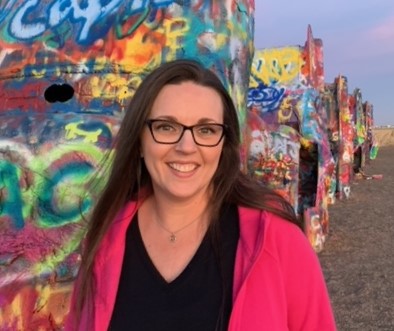
Larae Stephan
LINC Literacy Instructor, Care for Newcomers
LINC Literacy Instructor, Care for Newcomers
LaRae Stephan is a LINC literacy instructor and curriculum designer at Care for Newcomers in Red Deer.

Diana Agudelo
Academic Director, ECSD LINC
Academic Director, ECSD LINC
Diana Agudelo has been the Academic Director for the LINC program at Edmonton Catholic Schools since 2015, leading literacy curriculum and instructor training. She previously taught regular and literacy classes and has extensive experience supporting adult newcomers. She holds an MA in TESL and a Post‑TESL Certificate.
This interactive session brings together experienced youth L...
This interactive session brings together experienced youth LINC instructors to share practical strategies, challenges, and successes in teaching young newcomers. Participants will explore engagement, classroom management, PBLA, and CLB-aligned instruction while exchanging ideas with colleagues. Attendees will leave with practical resources and evidence-informed approaches to support effective, engaging youth LINC classrooms.
Simon Best
-
-
Simon Best is an English Language Instructor with over 20 years in the field working in Russia, Azerbaijan, Sri Lanka, Saudi Arabia and Canada. He currently works for Columbia College as a LINC Instructor and PBLA Lead. His professional interests include business communication, pragmatics, TBLT and digital learning.
Corrie Davidson
Facilitator / PBLA Lead Teacher, Columbia College
Facilitator / PBLA Lead Teacher, Columbia College
Corrie Davidson is an experienced ESL/LINC instructor and PBLA Lead with a passion for teaching newcomers. She has taught internationally across CLB Stages 1 and 2 and specializes in CLB-aligned instruction. Corrie is dedicated to creating inclusive, learner-centered classrooms that support language development and successful settlement through PBLA principles.
Diana Katsnelson
-
-
Diana Katsnelson has been teaching English to newcomers in Calgary for nearly 20 years. She has also worked with children and youth in South Korea, Japan and China. A PBLA-certified Lead Teacher with an M.Ed. from the University of Calgary, she currently teaches in the LINC Youth Program at Columbia College. She is passionate about helping newcomers build confidence, develop language skills, and foster a sense of belonging in Canada.
Trina St. Jean
-
-
Trina St. Jean has 20+ years of experience as an ESL/LINC instructor and has taught in Quebec, Japan and Calgary. She has primarily taught CLB 4 up to CLB 8, is a certified PBLA lead teacher and has worked on PBLA-aligned curriculum projects. Trina is passionate about making learning engaging and meaningful for her students. She enjoys helping newcomers reach goals and gain confidence by providing opportunities to build their language skills in a welcoming environment.
Danica MacDonald
Language Training Curriculum and Staff Development Coordinator, Columbia College
Language Training Curriculum and Staff Development Coordinator, Columbia College
Danica MacDonald is the Language Training Curriculum and Staff Development Coordinator at Columbia College in Calgary. She has extensive experience in adult language education, curriculum development, facilitator training, and educational research. Her work focuses on CLB- and PBLA-aligned instruction, instructional innovation, and the responsible integration of AI to support teaching and learning.
Joel Pearson
Columbia College
Columbia College
This workshop is designed for EAL/ESL instructors who are ne...
This workshop is designed for EAL/ESL instructors who are new to teaching literacy-level learners. The session is divided into three parts: an introduction to Foundation Literacy learners, an exploration of the key literacy skills and skill-building strategies needed to support them, and a brief practical component demonstrating how to apply the continuum of literacy skills in the classroom.
Kathy Hughes
Project Manager, CCLB
Project Manager, CCLB
Rana Ashkar
-
-
Larry Iveson
-
-
Lisa Herrera
-
-
Beyond a Worksheet explores practical strategies for increas...
Beyond a Worksheet explores practical strategies for increasing learner engagement. Discover movement-based activities, interactive tools and games, and AI-powered resources that promote participation, collaboration, and meaningful language learning in both face-to-face and virtual classrooms.
Elina Stop
Faculty Service, NorQuest College
Faculty Service, NorQuest College

Janet Kwong
-
-
This workshop explores practical applications of AI in EAL a...
This workshop explores practical applications of AI in EAL assessment, including creating rubrics, generating differentiated tasks, and providing feedback. Participants will examine effective AI-assisted assessment strategies, discuss ethical considerations, and leave with practical tools and prompts to enhance assessment practices while supporting learner success.
Anastasia Makharadze
Partial-Load Professor, ESL and EAP Programs, Sheridan College
Partial-Load Professor, ESL and EAP Programs, Sheridan College
EAL learners need more than language skills. They need confi...
EAL learners need more than language skills. They need confidence, belonging, voice, and readiness to participate. This session introduces Human Readiness and the VISIBLE™ Framework as practical tools for helping educators strengthen learner agency, communication risk-taking, classroom participation, and real-world language use in changing EAL environments.
Sheena Yap Chan
Founder, The Tao of Self-Confidence
Founder, The Tao of Self-Confidence
This session explores how assessment redesign can strengthen...
This session explores how assessment redesign can strengthen belonging and meaningful integration in multilingual classrooms in an AI era. Drawing on the Process–Product Model, the AIAS Assessment Scale, and portfolio-based approaches, participants will examine practical strategies for moving beyond product-only grading toward transparent, process-informed assessment that supports equity and real-world competence.
Daniela Jost Guimarães
EAL Instructor & Curriculum Developer, ISANS
EAL Instructor & Curriculum Developer, ISANS
Leila Samahnejad
Business Development and Project Lead, AWES
Business Development and Project Lead, AWES
Irene Wood
-
-

Sofia Elgueta Duplancic
Associate Lecturer, University of Alberta
Associate Lecturer, University of Alberta
Sofia has 25 years of EAL teaching experience and has been with the English Language School, University of Alberta, since 2008. She teaches EAP and various courses, as well as develops curricula and resources focusing on student-centred learning. Active in ATEAL, she has served on the Board since 2021.
Lucy Yoo
-
-
1. Morning Announcements | 8:45 AM - 9:00 AM2. KEYNOTE ADDRE...
1. Morning Announcements | 8:45 AM - 9:00 AM
2. KEYNOTE ADDRESS - Beyond Language: Relational Belonging, Mental Health, and the Future of Supporting Newcomers in Canada | 9:00 AM - 10:30 AM
As Canada continues to evolve through immigration, increasing diversity, and shifting social realities, EAL teachers and professionals are often positioned at the frontlines of relational care, belonging, and community integration. Beyond teaching language, EAL educators frequently become trusted witnesses to the emotional, social, cultural, and systemic challenges experienced by newcomers navigating displacement, isolation, racism, uncertainty, and complex settlement systems.
This keynote explores how relational and collaborative approaches can help move newcomer support beyond transactional EAL educational models toward deeper experiences of belonging, dignity, and connection. Drawing from collaborative-dialogic practice, trauma-informed care, and community mental health research, this presentation will examine the intersections between migration, mental health, language learning, and social inclusion. Participants will be invited to reflect on how educational and settlement spaces can foster relational safety, hope, and collective wellbeing while responding ethically and compassionately to the realities newcomers and the teachers who support them increasingly face across Canada.
Rigvi Kumar
-
-
Jessica Cheong
-
-
_1790782267623.jpg )
Dr. Monica Sesma-Vazquez
-
-
Monica is a social constructionist-oriented social worker, family therapist, educator, supervisor, and researcher who lives in the traditional territories of the Niitsitapi (Blackfoot Confederacy) and Treaty 7 region in Southern Alberta, Canada. Monica is an Assistant Professor and the Academic Coordinator of the Couple and Family Therapy Program at the Faculty of Social Work, University of Calgary. She is the Research Coordinator of the Calgary Family Therapy Centre. Monica is currently a Board Member of the Canadian Association for Marriage and Family Therapy. Her current clinical and research interests focus on relational and systemic work with underserved communities. Monica's research focuses on mental health and wellbeing, children and their families, immigrants, refugees, and newcomers’ issues, and gender-based violence.
Miria Munoz
Professor, Algonquin College
Professor, Algonquin College
Daniel Ripley
Assistant Lecturer, University of Alberta English Language School
Assistant Lecturer, University of Alberta English Language School
Marvin Zimmer
EAP Instructor, University of Alberta Language School
EAP Instructor, University of Alberta Language School
Marvin Zimmer has a Masters degree in TESOL from the University of Leicester. He has taught ESOL in Taiwan, Morocco and the United Arab Emirates. Since 2009 he has been teaching EAP courses at the University of Alberta English Language School.
Oversized Avenue courses can slow systems, disrupt learning,...
Oversized Avenue courses can slow systems, disrupt learning, frustrate teachers and increase support staff workloads. This session explains Avenue’s course size policy and practical ways to reduce course “bloating.” Participants will learn strategies for managing digital clutter, improving duplication practices and maintaining leaner, faster and more effective online learning environments.
John Allan
Lead Learning Technologist and Senior Mentor, Avenue Canada Solutions
Lead Learning Technologist and Senior Mentor, Avenue Canada Solutions
Paul Carter
Mentor, Avenue Canada Solutions
Mentor, Avenue Canada Solutions
Paul Carter supports teachers across Canada and BC as a LearnIT2teach Mentor, Live Help Assistant, Avenue/CanAvenue Resource Developer for New Language Solutions, and Certified Moodle Course Creator. He has also worked on projects for ISSofBC, LISTN, NewToBC – The Library Link for Newcomers, and AMSSA.
Jeremy Cole
Developer, Avenue Canada Solutions
Developer, Avenue Canada Solutions
Jeremy Cole leads innovation and development in Canada’s national Moodle-based training platforms. He specializes in server administration, Moodle architecture, custom plugin development, and solutions for stakeholders, teachers and students.
.png)
Rob McBride
Executive Director, Avenue Canada Solutions
Executive Director, Avenue Canada Solutions
Diana Agudelo
Academic Director, ECSD LINC
Academic Director, ECSD LINC
Diana Agudelo has been the Academic Director for the LINC program at Edmonton Catholic Schools since 2015, leading literacy curriculum and instructor training. She previously taught regular and literacy classes and has extensive experience supporting adult newcomers. She holds an MA in TESL and a Post‑TESL Certificate.
Kerry Howard
Manager, LINC Program, Immigrant Education Society (TIES)
Manager, LINC Program, Immigrant Education Society (TIES)
Kerry Howard is Manager of the LINC Program at the Immigrant Education Society (TIES). Since 2012, he has also supported newcomer education as a LINC Instructor, PBLA Lead, and LINC Supervisor. Kerry is passionate about integrating technology into settlement-focused classrooms and helping newcomers build skills for life in Canada.
This session will explore best practices for supporting lear...
This session will explore best practices for supporting learners through translanguaging. We will examine how understanding learners' linguistic repertoires can strengthen instruction and demonstrate practical strategies for creating inclusive, multilingual classroom practices that build confidence, engagement, and language learning.
Hannah Grimwood
LINC Instructor, TIES
LINC Instructor, TIES
Nura Mohamed
LINC Instructor, Immigrant Education Society (TIES)
LINC Instructor, Immigrant Education Society (TIES)
Nura is a LINC instructor with nine years of experience teaching adult English language learners. Before teaching in Canada, she taught in Dubai, bringing valuable international experience to her classroom. She enjoys creating supportive learning environments and, in her free time, loves knitting and hiking.
Marijke Geurts
online content developer, Avenue Canada Solutions
online content developer, Avenue Canada Solutions
Marijke Geurts has been an educator for over 25 years. She’s worked with the Avenue project since 2014 as a teacher trainer and curriculum developer. She has experience as a LINC instructor and employment language trainer and has always welcomed volunteers in her classroom. Currently she is the TBLV coordinator.
Ron Lavoie
Avenue Canada Solutions
Avenue Canada Solutions
Ron Lavoie is an ESL professional who has worked in TESL training, assessment, and in LINC programs. He has a special interest in intercultural aspects of language and migration. Ron is currently a course developer at Avenue Canada.
Matthias Sturm
Adult Education Researcher/Lead Evaluator, Avenue Canada Solutions
Adult Education Researcher/Lead Evaluator, Avenue Canada Solutions
EAL learners are juggling three identities online—parent, ...
EAL learners are juggling three identities online—parent, professional, and language learner. The digital skills they need aren't in textbooks.This workshop gives educators strategies to bridge the intergenerational and identity gaps that social media creates. Come learn how to turn digital chaos into connection, confidence, and critical conversation.
Anca Mihaela Nichifor
Founder, Teacher Trainer, EAL Facilitator, Skillstree Rising & Canadian English Solutions
Founder, Teacher Trainer, EAL Facilitator, Skillstree Rising & Canadian English Solutions
Anca Mihaela Nichifor is an Educational Consultant, Teacher Trainer, and TESOL Educator with Skillstree Rising and Canadian English Solutions. An international curriculum leader, she bridges language, culture, and identity through student-centred innovation. Dedicated to personal and organizational growth, she creates authentic, inclusive learning experiences that honour diverse voices and foster meaningful connection.
This session introduces Human Readiness and the VISIBLE™ F...
This session introduces Human Readiness and the VISIBLE™ Framework as practical tools for EAL instructors and program leaders. Participants will explore how voice, identity, belief, and visibility influence learner participation, classroom belonging, and real-world communication.
Sheena Yap Chan
Founder, The Tao of Self-Confidence
Founder, The Tao of Self-Confidence
Calgary Language Assessment & Referral Centre’s role has ...
Calgary Language Assessment & Referral Centre’s role has evolved beyond language assessment to supporting learner navigation and informed decision-making. Using a client journey approach, this session explores assessment, referrals, educational counselling, and integrated supports that help newcomers access language, education, employment, and settlement pathways while responding to changing EAL sector needs.
Mary Katherine Neal
Senior Advisor/Newcomer Language Specialist, Calgary Language Assessment & Referral Centre (CLARC) - Immigrant Services Calgary (ISC)
Senior Advisor/Newcomer Language Specialist, Calgary Language Assessment & Referral Centre (CLARC) - Immigrant Services Calgary (ISC)
Carla Seyts
Immigrant Services Calgary
Immigrant Services Calgary
Carla Seyts is a Newcomer Language Specialist and Coordinator at CLARC–ISC and has served as an English Assessor at ISC since August 2022. She also provides educational counselling to clients. Carla brings 20 years of ESL teaching experience across K–12 and LINC settings.
This session explores why tough topics such as Indigenizatio...
This session explores why tough topics such as Indigenization, women’s rights, anti-racism, mental health, and 2SLGBTQIA+ inclusion belong in the LINC classroom. Presenters will share practical, non-confrontational strategies and resources to build learner confidence, support meaningful settlement, and integrate real Canadian content into essential language learning.
Justine Light
Instructional Designer, -
Instructional Designer, -
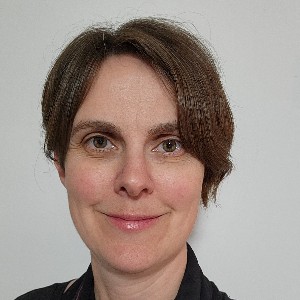
Emily Albertsen
-
-
Finding listening materials at the right CLB level eats teac...
Finding listening materials at the right CLB level eats teacher time. This session shows how TalkScript.io turns any topic into a natural-sounding, CLB-aligned listening passage in minutes — then wraps it in interactive comprehension activities students can do on any device, giving teachers data on where learners struggle.
Cedric Mwambi-Kabongo
Co-founder, TalkScript.io
Co-founder, TalkScript.io
In this Tutela live demo, participants will learn best pract...
In this Tutela live demo, participants will learn best practices for searching on Tutela, both for a specific resource and general browsing. They will also review how to use the favourites folder and have an opportunity to look through popular collections.
In this session, you will learn:
-How to find a specific resource on Tutela
-How to use the the filters to browse more effectively
-Become familiar with popular collection
Diane Ramanathan
Community Outreach Coordinator, Tutela.ca
Community Outreach Coordinator, Tutela.ca
Jennifer Foote
Associate Professor, University of Alberta
Associate Professor, University of Alberta
As English language teaching evolves, one question remains: ...
As English language teaching evolves, one question remains: How do we create classrooms where every learner has opportunities to speak early, often, and with confidence? Drawing on examples from the sixth edition of Interchange, participants will explore communicative teaching strategies that foster meaningful interaction, learner confidence, and authentic communication.
Anne Damiecka
ESOL Specialist, Cambridge University Press & Assessment
ESOL Specialist, Cambridge University Press & Assessment
Sofia Elgueta Duplancic
Associate Lecturer, University of Alberta
Associate Lecturer, University of Alberta
Sofia has 25 years of EAL teaching experience and has been with the English Language School, University of Alberta, since 2008. She teaches EAP and various courses, as well as develops curricula and resources focusing on student-centred learning. Active in ATEAL, she has served on the Board since 2021.
Leo Etchegary
Committee Chair, TESL Canada NL, TESL Canada
Committee Chair, TESL Canada NL, TESL Canada
Leo is an educational leader committed to creating learning spaces that promote collaboration, leadership, and organizational growth and development.
As someone who has been teaching writing to EAL students for...
As someone who has been teaching writing to EAL students for almost 15 years, I am constantly thinking about what it means to teach and assess writing. I am also continuously revising old and adapting new strategies to help EAL students become independent writers in a language that is not their first. However, rather than focusing on challenges that another language presents, I focus on helping students draw strengths from being an EAL writer. In this presentation and workshop, I will talk about several strategies I use in my Writing Studies (WRS) classes at the University of Alberta to show how principles from the disciplines of writing studies and composition studies can help students write more effectively and with greater ease and confidence. My presentation will highlight EAL writers' linguistic resources and will examine how WRS can foster rhetorical awareness, genre knowledge, critical engagement with sources and social engagement with other EAL writers. I will briefly address AI in EAL writing and offer some thoughts on how it can be ethically and effectively utilized. In the workshop part of my presentation, I will invite participants to reflect on how principles of WRS and EAL pedagogy can complement one another to support student agency and student writing processes. I will end the presentation with a few practical strategies that instructors will be able to adapt across disciplines.

_1790781362845.jpg )
Dr. Anna Chilewska
WRS Coordinator- Full Teaching Professor, University of Alberta
WRS Coordinator- Full Teaching Professor, University of Alberta
Dr. Anna Chilewska is a Full Lecturer and Writing Studies Coordinator at the University of Alberta with nearly 15 years of experience teaching EAL writing. Her work focuses on EAL writing pedagogy and helping students leverage their linguistic resources as multilingual writers. She is also the recipient of The Cécile E. Mactaggart Travel Award for Essay or Non-Fiction Writing (2024).
Unpack Rosenshine's Principles of Instruction through an ESL...
Unpack Rosenshine's Principles of Instruction through an ESL lens. Discover practical, research-informed strategies that scaffold language learning, build learner confidence, and support English language learners in diverse teaching contexts
Maya Atiyat
MAC schools
MAC schools
Who is really doing the learning when students use AI? This ...
Who is really doing the learning when students use AI? This interactive workshop explores how generative AI is changing language learning and learner behaviour. Through research, classroom examples, and practical reflection, participants will develop strategies and guardrails that promote meaningful AI use while preserving critical thinking, learner autonomy, and authentic language development.
Sofia Elgueta Duplancic
Associate Lecturer, University of Alberta
Associate Lecturer, University of Alberta
Sofia has 25 years of EAL teaching experience and has been with the English Language School, University of Alberta, since 2008. She teaches EAP and various courses, as well as develops curricula and resources focusing on student-centred learning. Active in ATEAL, she has served on the Board since 2021.
How can Service Provider Organizations strengthen collaborat...
How can Service Provider Organizations strengthen collaboration, innovation, and continuous learning across their teams? This interactive session introduces Nexus, a new Community of Practice framework developed by Avenue Canada Solutions. Participants will explore practical strategies for fostering organizational learning, supporting staff engagement, and creating sustainable cultures of innovation.
Rob McBride
Executive Director, Avenue Canada Solutions
Executive Director, Avenue Canada Solutions
Bonnie Nicholas
Mentor, Avenue Canada Solutions
Mentor, Avenue Canada Solutions
Bonnie Nicholas has an MEd in TESL and certificates in online teaching and instructional design. She has taught both blended and fully online classes in LINC, and is a mentor/facilitator with Avenue Canada Solutions. Her interests include integrating language learning with digital literacy skills as an essential aspect of settlement.
John Allan
Lead Learning Technologist and Senior Mentor, Avenue Canada Solutions
Lead Learning Technologist and Senior Mentor, Avenue Canada Solutions
Sepideh Alavi
Associate Executive Director, Avenue Canada Solutions
Associate Executive Director, Avenue Canada Solutions
Sepideh Alavi PhD is the Associate Executive Director at Avenue Canada Solutions. At Avenue, Sepideh is also the manager of CanAvenue, where she oversees course design and development of this independent language learning platform.
This session focuses on front line experiences of digital na...
This session focuses on front line experiences of digital navigators who have completed the Avenue Digital Assistant Course. Panelists will discuss their roles and experiences, better practices, and how the course supports them. Presenters will share feedback from course participants, situating digital support issues in a local context
Marijke Geurts
online content developer, Avenue Canada Solutions
online content developer, Avenue Canada Solutions
Marijke Geurts has been an educator for over 25 years. She’s worked with the Avenue project since 2014 as a teacher trainer and curriculum developer. She has experience as a LINC instructor and employment language trainer and has always welcomed volunteers in her classroom. Currently she is the TBLV coordinator.
Dori Tarján
Teacher Trainer, Avenue Canada Solutions
Teacher Trainer, Avenue Canada Solutions
Dori Tarján has over 10 years of experience teaching newcomers in LINC and ESL programs. She’s worked with the Avenue project since 2022 as a teacher trainer and e-learning developer, creating interactive courses for language learners and instructors. Recently, Dori worked on the development of the Avenue Digital Assistant Course.
Discover how AI-assisted grading can give EAL learners five ...
Discover how AI-assisted grading can give EAL learners five times more detailed, structured feedback on writing, quizzes, and tests while saving teachers hours of marking. Using practical EAL examples—and, if desired, their own assessments—participants will explore rubric-based and question-by-question workflows while keeping professional judgment at the centre.
Ash Misquith
Founder, SwiftGrade
Founder, SwiftGrade
In this session, participants will explore and try out some ...
In this session, participants will explore and try out some interactive techniques to record vocabulary using both a lexical approach and psycholinguistic principles that are combined in a lexical notebook. The presenter will demonstrate how to engage learners in recording new lexis based on different learning styles and promote learner autonomy in keeping lexical notebooks.
Olena Gyrych
ESL Teacher, CCI-LEX
ESL Teacher, CCI-LEX
Rose Elliot, an experienced LINC teacher, introduces Keys to...
Rose Elliot, an experienced LINC teacher, introduces Keys to English Sounds, her new YouTube decoding program. With over 300 short, interactive videos, the channel helps teachers integrate decoding into class times and supports students who want to build reading and pronunciation skills independently.
Rose Elliot
Youtube channel Developer, independent
Youtube channel Developer, independent
Elizabeth Abraham
LINC Instructor / PBLA Lead, Centre for Newcomers
LINC Instructor / PBLA Lead, Centre for Newcomers
Zuzanan Buchanan
EAP lecturer, University of Alberta
EAP lecturer, University of Alberta
Nwankpa Lilian Ugomma
EAL Educator and Instructional Quality Assurance Specialist, Interac Corp — Mito City Board of Education, Japan
EAL Educator and Instructional Quality Assurance Specialist, Interac Corp — Mito City Board of Education, Japan
Rigvi Kumar
-
-
Jessica Cheong
-
-
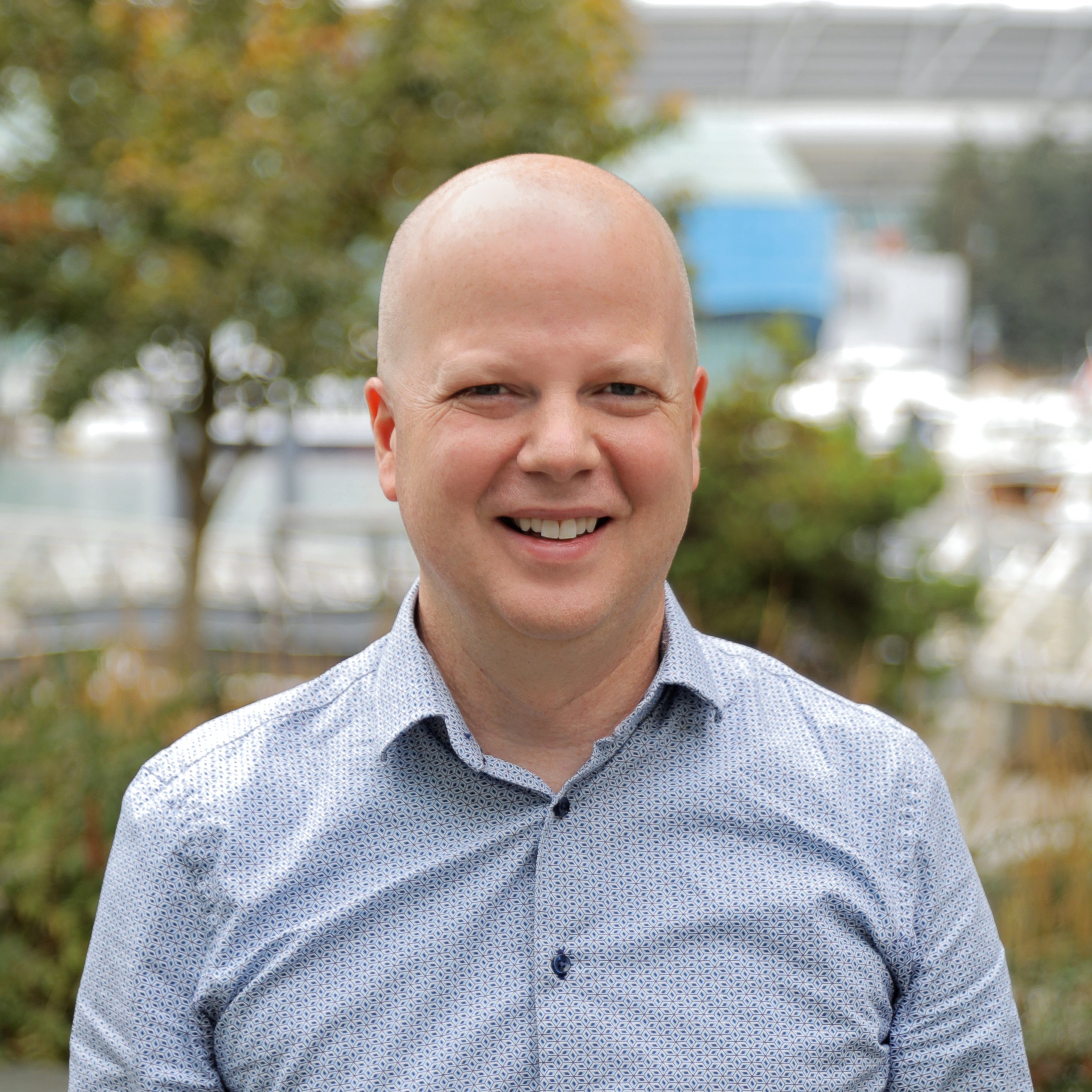
Educational Technology & Pedagogy Coordinator , Douglas College
Nathan Hall is the Educational Technology & Pedagogy Coordinator at Douglas College. His research and professional interests include AI in language education, educational technology, instructional design, and teacher professional development. He also leads the teaching & research commons (TREC).
_1790781362845.jpg)
WRS Coordinator- Full Teaching Professor, University of Alberta
Dr. Anna Chilewska is a Full Lecturer and Writing Studies Coordinator at the University of Alberta with nearly 15 years of experience teaching EAL writing. Her work focuses on EAL writing pedagogy and helping students leverage their linguistic resources as multilingual writers. She is also the recipient of The Cécile E. Mactaggart Travel Award for Essay or Non-Fiction Writing (2024).
_1790782267623.jpg)
Monica is a social constructionist-oriented social worker, family therapist, educator, supervisor, and researcher who lives in the traditional territories of the Niitsitapi (Blackfoot Confederacy) and Treaty 7 region in Southern Alberta, Canada. Monica is an Assistant Professor and the Academic Coordinator of the Couple and Family Therapy Program at the Faculty of Social Work, University of Calgary. She is the Research Coordinator of the Calgary Family Therapy Centre. Monica is currently a Board Member of the Canadian Association for Marriage and Family Therapy. Her current clinical and research interests focus on relational and systemic work with underserved communities. Monica's research focuses on mental health and wellbeing, children and their families, immigrants, refugees, and newcomers’ issues, and gender-based violence.

Associate Professor , University of British Columbia - Vancouver
Dr. Ron Darvin is an Associate Professor in the Department of Language and Literacy Education at the University of British Columbia (Vancouver). His research areas include critical digital literacies, generative AI, and language learning.
Please email techsupport@ateal.ca, ateal.admin@ateal.ca , or atealsupport@getvfairs.io and someone will get back to you as soon as we can.
Recorded sessions will be available for 3 months following the conference.